 Grantee portal



A three-year project led by Scotswood Natural Community Garden is helping children across Newcastle’s West End learn about nature while taking practical action to reduce waterlogging, support pollinators and improve local green spaces.
Watery West End is supported by a £30,000 grant from the North East Environment Fund at Community Foundation North East. The project gives children the opportunity to take part in environmental workshops at Scotswood Garden before putting their learning into action on school grounds and nearby community spaces.
Having just completed the project’s second year, Scotswood Natural Community Garden is now moving into its third and final year. This sustained support highlights the value of long-term, multi-year funding, giving organisations time to build relationships with schools, develop children’s learning and build on what they have achieved together.
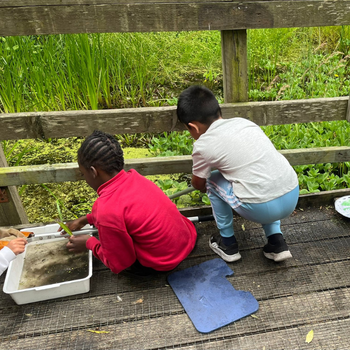
Children learnt about trees and woodland, ponds and aquatic life, meadows and pollinators, and the role that rain gardens can play in slowing down the flow of rainwater. Back at school, they planted water-loving, pollinator-friendly species and created nature rescue projects ranging from rain gardens and wildlife habitats to bug hotels, meadow areas and gardening clubs.
In the project’s first year, Scotswood Natural Community Garden delivered 132 education sessions for 1,235 children. The project has also planted 847 water-loving plants across 16 school sites and one community green space.
Pete Barrett, Senior Programmes Advisor at Community Foundation North East, said:
“Watery West End shows what locally led environmental action can achieve. The project is responding to a very real challenge for schools in the West End, while giving children the knowledge, confidence and practical experience to care for nature where they live.
Through the North East Environment Fund, our donors are helping grassroots organisations deliver solutions that strengthen communities as well as the natural environment.”
The impact extends beyond physical improvements. Teachers reported that children were calmer, more focused and enthusiastic while learning outdoors. In evaluation feedback, 100% of teachers agreed that children enjoyed the wildlife activities and learnt something new, while every respondent agreed that being at Scotswood Garden gave pupils a greater connection with and awareness of nature.
Harriet Menter, Education Manager at Scotswood Natural Community Garden, said:
“One of the factors that has contributed to the success of this programme is having long term funding over 3 years, which has allowed us to commit time and energy to delivering a really high-quality workshops, developed new areas like the garden design competition, strengthen relationships with partner organisations, and bring in match funding.”
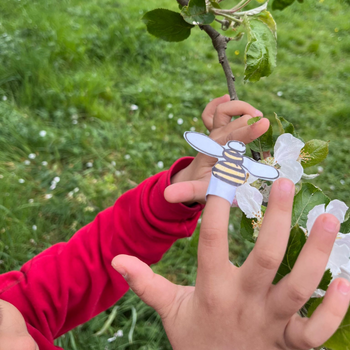
The project is also building a wider awareness of rain gardens among families and communities. Its first Watery West End in Bloom competition attracted 132 entries, inviting schools and residents to design a rain garden or create a wildlife-friendly habitat.
Demonstrations at community events, online resources and a new partnership with Northumbria University are also helping to share practical ideas that people can use in schools, community spaces and at home.
With more schools keen to take part in its third year, Watery West End is building on these foundations, creating further opportunities for children and families to connect with nature and make a visible difference across Newcastle’s West End.
Find out more about Watery West End and its nature rescue activities here.