 Grantee portal



I would like to start my own fund
Start a fund that matches your wishes to support your community
Find out more
We are philanthropy advisors and partners, helping to guide your giving journey no matter where it starts. Our unrivalled knowledge and research means that by giving through us, donors make the most difference.
We know no two donors are alike, so we offer options allowing you to give when and how you choose. From starting your charitable fund, to giving with others who share your interests; from leaving a legacy to donating now. Whatever route is best for you, we will match your generosity to what is needed in communities now and in the future.
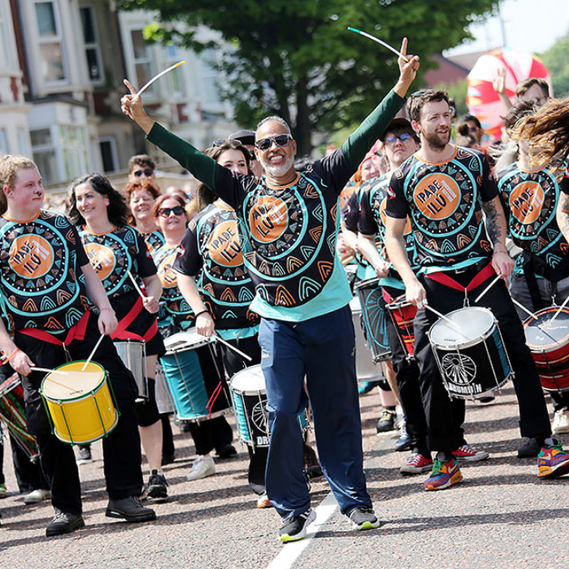
Start a fund that matches your wishes to support your community
Find out more
Help your local community for generations to come
Find out more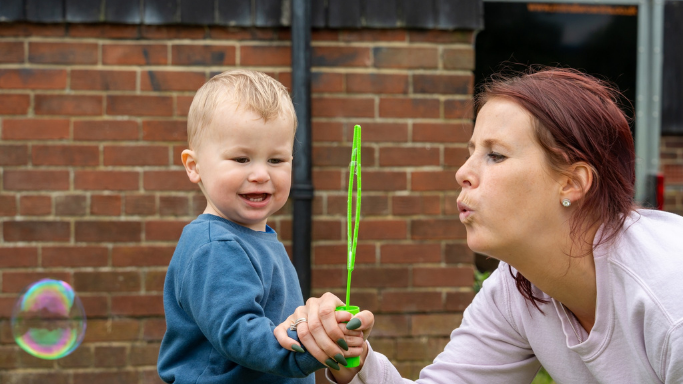
Pool your giving with others to support the causes you have in common
Find out more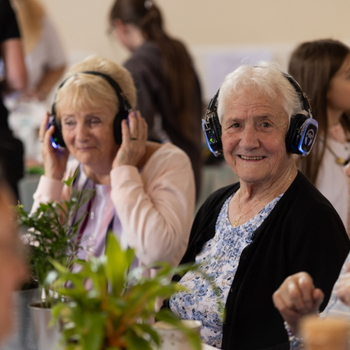
Give and network with your peers from as little as £30 a month
Find out more
You can get advice and information about making gifts to charity from HM Revenue and Customs. A summary of key information for individuals and companies is below. We recommend that you get advice from your lawyer, accountant or another professional before making any gift.
Check the HM Revenue and Customs website

Gift Aid enables charities you support to get extra money on your donation without it costing you a penny more. To make a Gift Aid donation, you must be a UK taxpayer. Your donation is treated as if basic rate income tax had been deducted: charities can therefore reclaim that tax from HM Revenue & Customs (HMRC). For example, on your donation of £10,000, we can claim £2,500 in Gift Aid, meaning your gift total will be £12,500.
If you pay tax at the higher rate, you can claim back the difference between the higher rates of tax (40% or 45%) and the basic rate (20%) on the total value of the donation. For example, if you pay the 40% rate, a donation of £10,000 allows you to recover £2,500, so the donation costs you only £7,500 net, but the Community Foundation receives £12,500.
If you pay the 45% rate, a donation of £10,000 allows you to recover £3,125, so the donation costs you only £6,875 net, but we receive £12,500.
If you complete a Self-Assessment tax return and are entitled to a tax refund, you can choose to have all or part of the repayment sent directly to a charity of your choice. This is called ‘Self Assessment Giving’ or ‘SA Donate’. You can also ask the repayment to be made as a Gift Aid donation. HM Revenue & Customs (HMRC) sends your refund (plus any Gift Aid tax repayment) directly to the charity by electronic transfer.
Individuals can get tax relief on gifts to charity of certain listed shares, securities and other investments. You can get income tax relief, in addition to the capital gains tax relief on gifts of assets to charity. The tax relief applies if you give, or sell at less than market value, any qualifying investments to a UK charity.
An unlimited amount can be contributed to charity via payroll giving. It costs you less to give because your donation is given to charity from your gross salary before any tax is taken off – so you don’t pay tax on it.
If your estate is liable to Inheritance Tax you could choose to leave money to charity to reduce the overall amount of tax due from your estate. You could either leave a fixed sum (known as a ‘Pecuniary Legacy’) or part or all of your estate once other gifts have been distributed (known as a ‘Residuary Legacy’). You can do this through your will, or simply by a declaration to the executors giving instructions as to how, and to which charity, your legacy is to be distributed. Gifts made to a UK charity in the seven years prior to your death are also covered by the same exemption from Inheritance Tax. Your personal accountant or solicitor will be able to advise on the best option for you.
From 6 April 2012, if you make a gift in your will to charity of at least 10% of your net estate, the rate of inheritance tax due on the taxable part of the estate is reduced from 40% to 36%. A gift of 10% can leave the same amount available to your other beneficiaries as one of 4%. Any gift greater than 4% but less than 10% results in your beneficiaries receiving less money than they would have done if the gift was for 10%. (NEEDS UPDATING)

Lisa engages people and businesses interested in making new or planned gifts, ensuring their wishes are met through the Foundation’s giving options.
 0191 222 0945
 lc@communityfoundation.org.uk