 Grantee portal


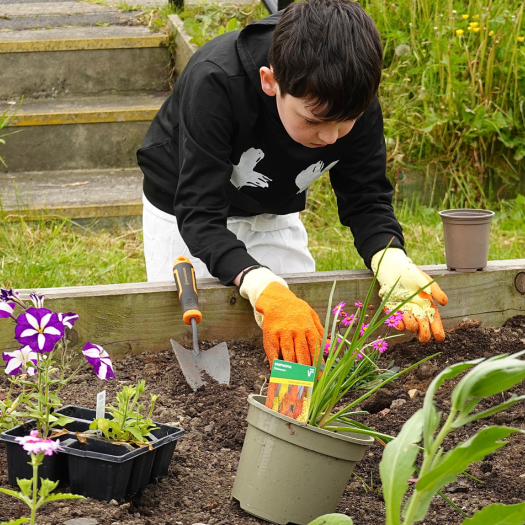
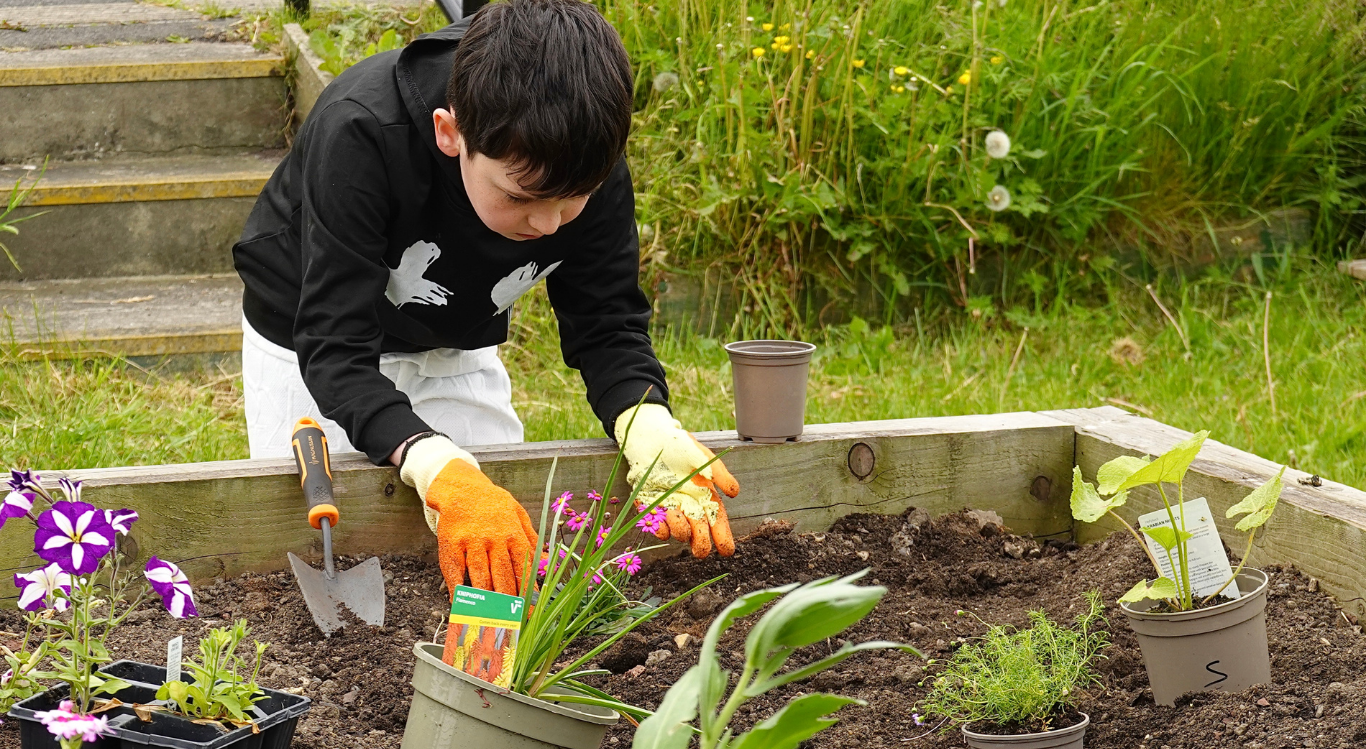
In April 2026 Community Foundation North East held an Environmental Conference, exploring how philanthropy can play a role in protecting and sustaining the natural environment.
We heard from business leaders, experts, charitable organisations and philanthropists about their work, but we also wanted to hear from young people their thoughts on the environment and how it affects them.
We commissioned Youth Focus North East (YFNE), and NE Youth, both lead partners in the North East Youth Alliance, to run creative youth voice sessions with young people from around the region, and tell us what they think the issues are, and what needs to change.
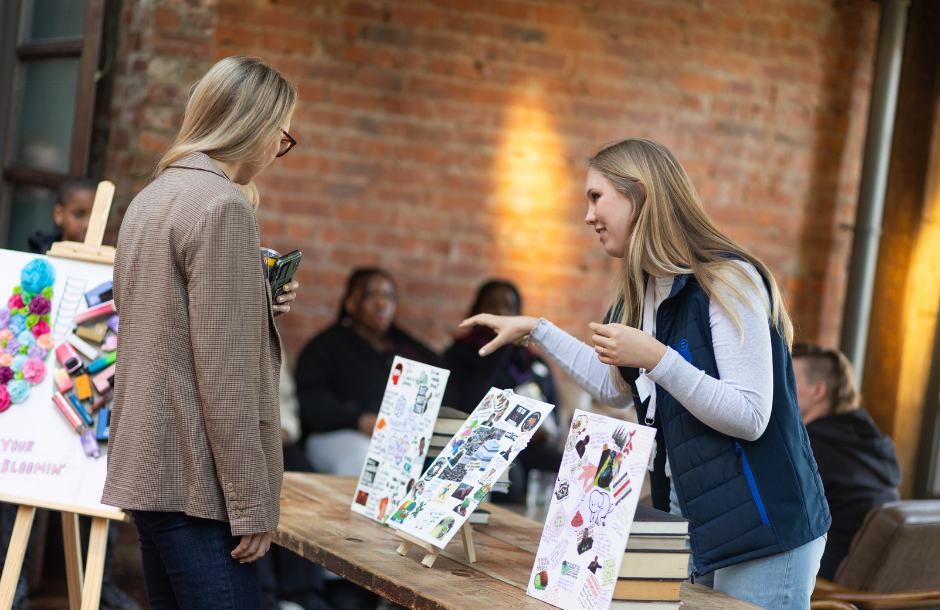

During April, YFNE ran creative sessions using youth-work based approaches to stimulate conversation and get young people thinking and engaging with the environment:
- Mini Mics – which allowed young people to ‘interview’ each other about their thoughts on environmental issues.
- Mind Maps – using flipcharts and arrows to ‘splat down our thoughts’ and talk about them to understand each other’s perspectives.
- Mood Boards on themes including AI and Fast Fashion, using stickers and pens for young people to annotate how they feel about the topic, and explore where they’ve gotten this information from.
- ‘Graffiti Wall’ – Using printed sheets of brick walls, young people picked a word that stands out to them when they hear ‘environmental issues’, then drew it in a ‘graffiti’ style on the paper, creating an art piece that represents the immediate reaction young people have.
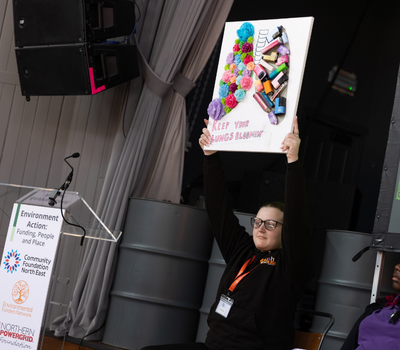
Drawing all these themes and views together, they devised and edited a short video, narrated by young people who took part, to draw together what they had discussed. You can watch this video by clicking on the image above.
This project demonstrated very clearly that young people are mostly concerned about how environmental issues affect them and the places they live. The emerging themes highlighted the priorities for the young people in their immediate environment, including access to outdoor spaces, litter, broken glass, and air pollution. The young people wanted solutions and action to those issues, to make their communities nicer places to live.
Global issues and the dialogue surrounding climate change can be confusing and overwhelming for many people, especially young people, resulting in feelings of helplessness, anxiety and leading to inaction.
However, we should not be dismayed. The young people have shown that when given time and space to explore environmental issues in the context of their own communities, it can empower individuals, organisations and donors. The young people’s involvement showcased how listening, supporting and participating in smaller scale actions are valuable in helping to protect the local environment.
Actions which are visible to their families, friends and neighbours help to improve local spaces, encourage local volunteering and understanding, and can also be the catalyst for wider community engagement and positive environmental impact.
The young people who took part in the sessions were aware of specific global trends which affect their lives and also affect the environment.
They talked about AI contributing to carbon emissions and using high volumes of water, and how limiting their use of AI is an action they can be responsible for.
“Just do your maths homework, it’s not that hard”
They also noted the environmental cost and the human cost of fast fashion, including poor labour conditions, and that people’s shopping choices were feeding this.
Young people could see that protecting the environment is everyone’s business and talked about their own micro-activism – picking up crisp packets in the park – but they also strongly felt people in power need to do more to tackle the issues.
Although young people engaged had some awareness of environmental issues, they also want more education, and more opportunities to have conversations about the environment and how they can make a difference. They strongly believe that this needs to be “done in a fun way”, for young people to take on board the learning and act on what they have learned.
Young people came up with many practical solutions, particularly to improving their local environments:
- They took inspiration from things they have seen elsewhere – like machines which exchange old bottles and cans for money in Germany.
- They want to see more litter picking and more enforcement of fines for leaving dog poo.
- They like the idea of litter being repurposed and turned into art.
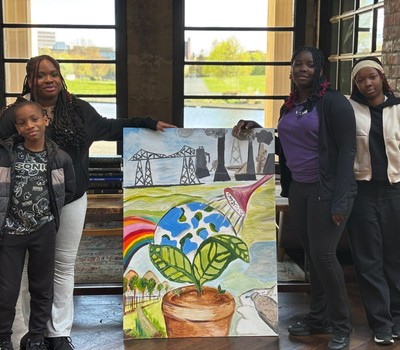
This project has created important food for thought, which was shared at our Environment Conference, giving attendees the chance to consider these issues from young people’s perspectives.
Community Foundation North East is committed to growing our grant-making to environmental causes, and to helping young people and communities take steps to improve local environments and reduce their impact, including work around local activism and environmental education.
Our North East Environment Fund (NEEF) is designed to help us to do this, and you can find out more about the fund here.